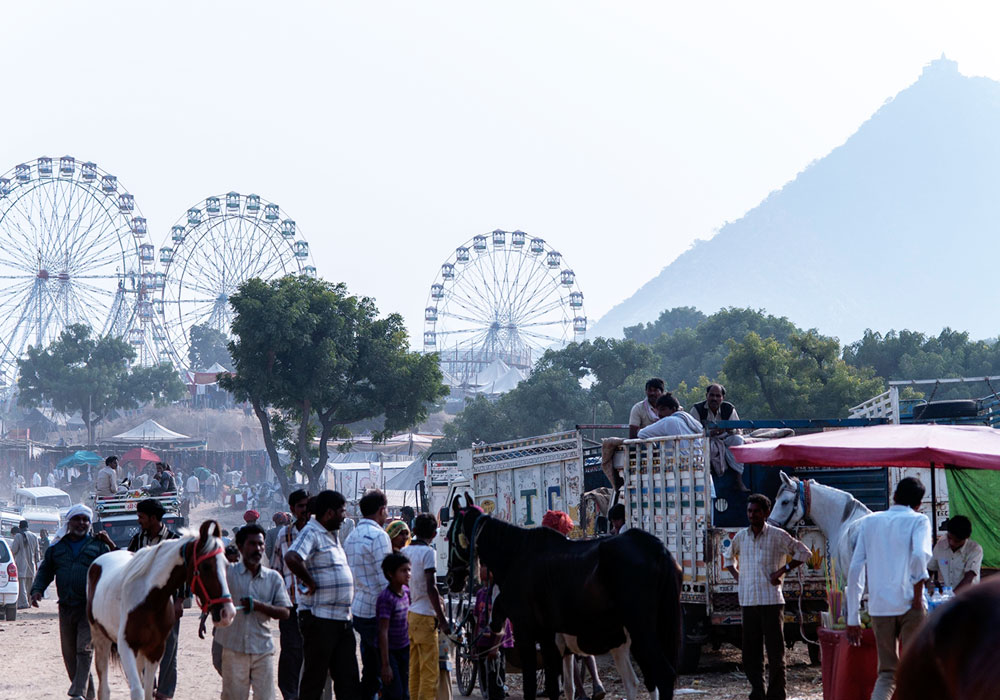
The Kumbh Mela
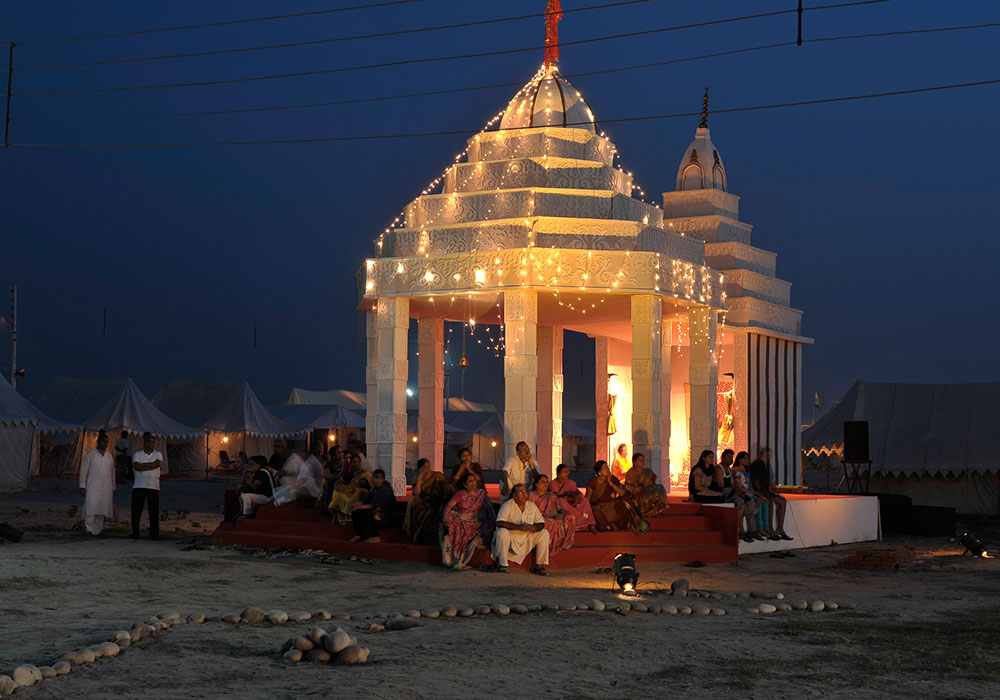
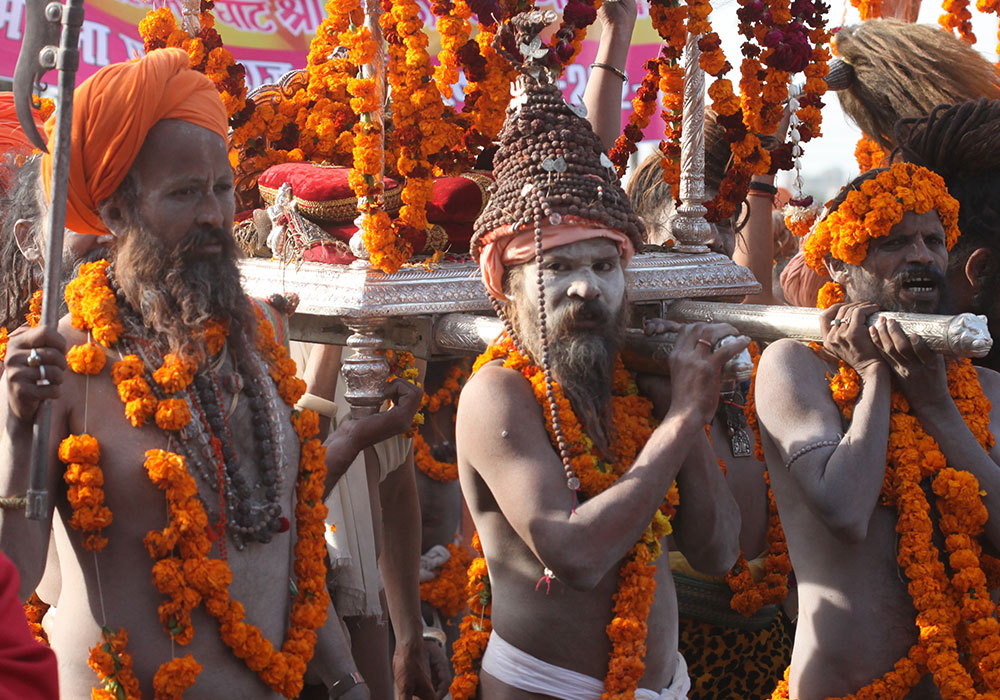
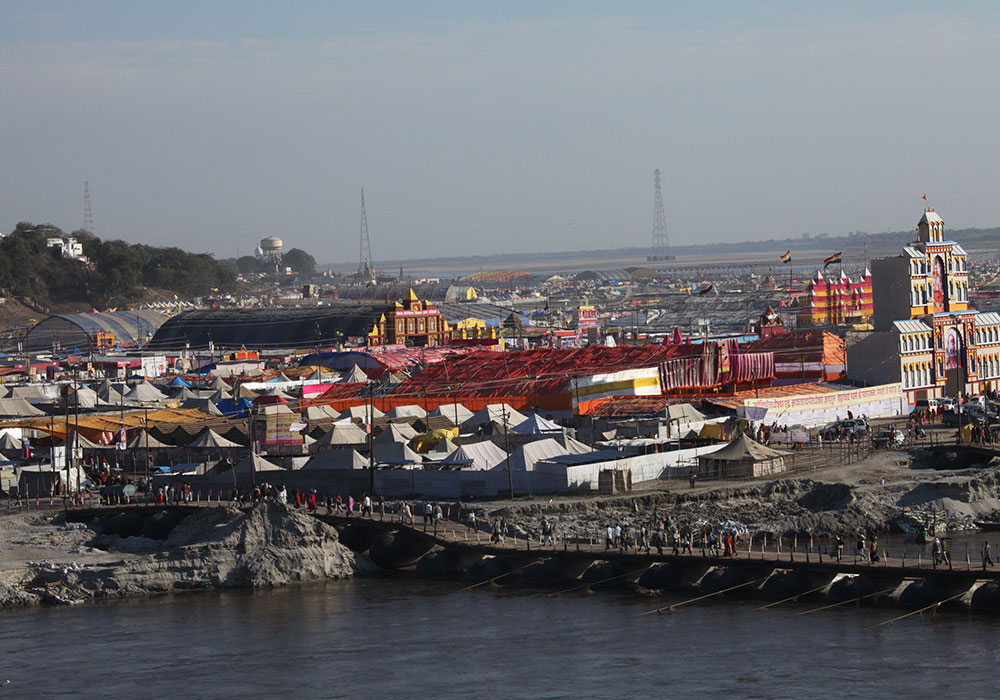
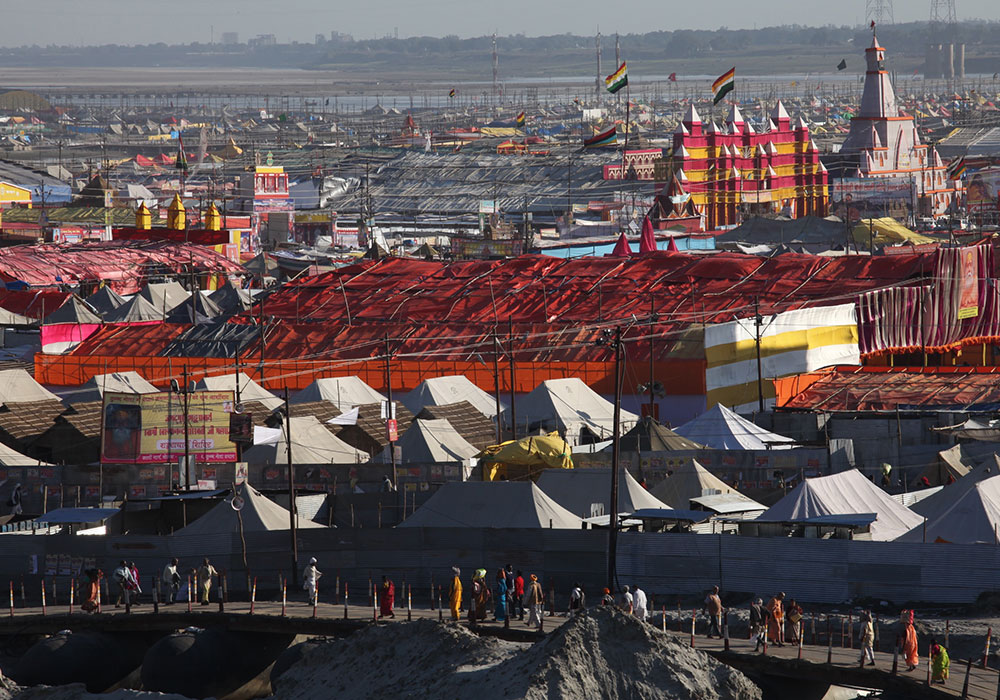
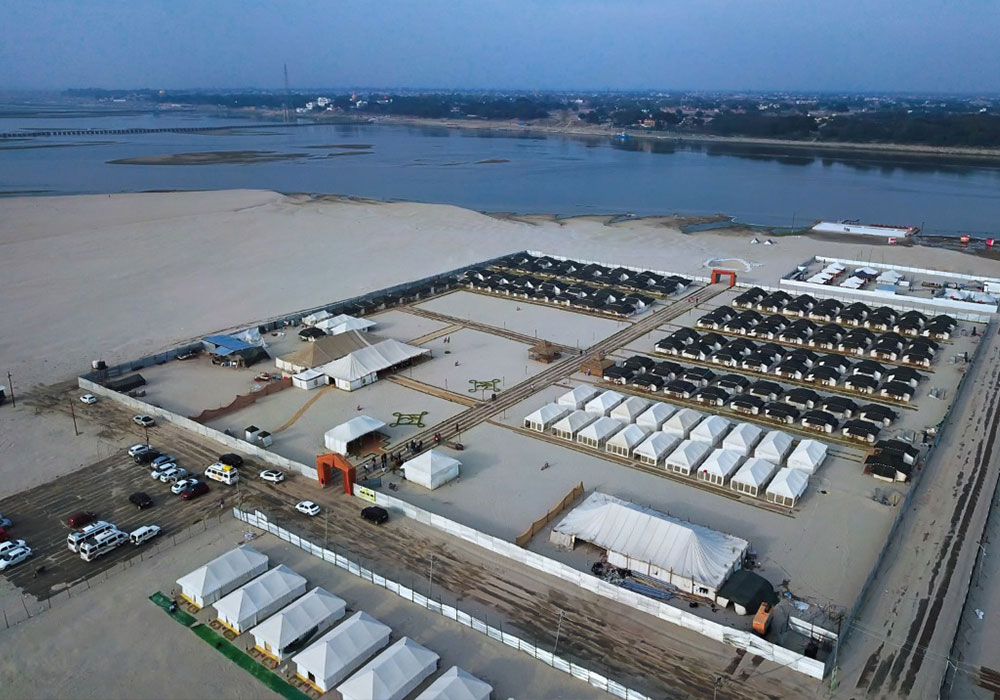
The Kumbh Mela is the single largest gathering of human beings at one place at any one time in the world. Mela refers to ‘a gathering’ or ‘a fair’ and Kumbh, in Sanskrit, literally means a pitcher.
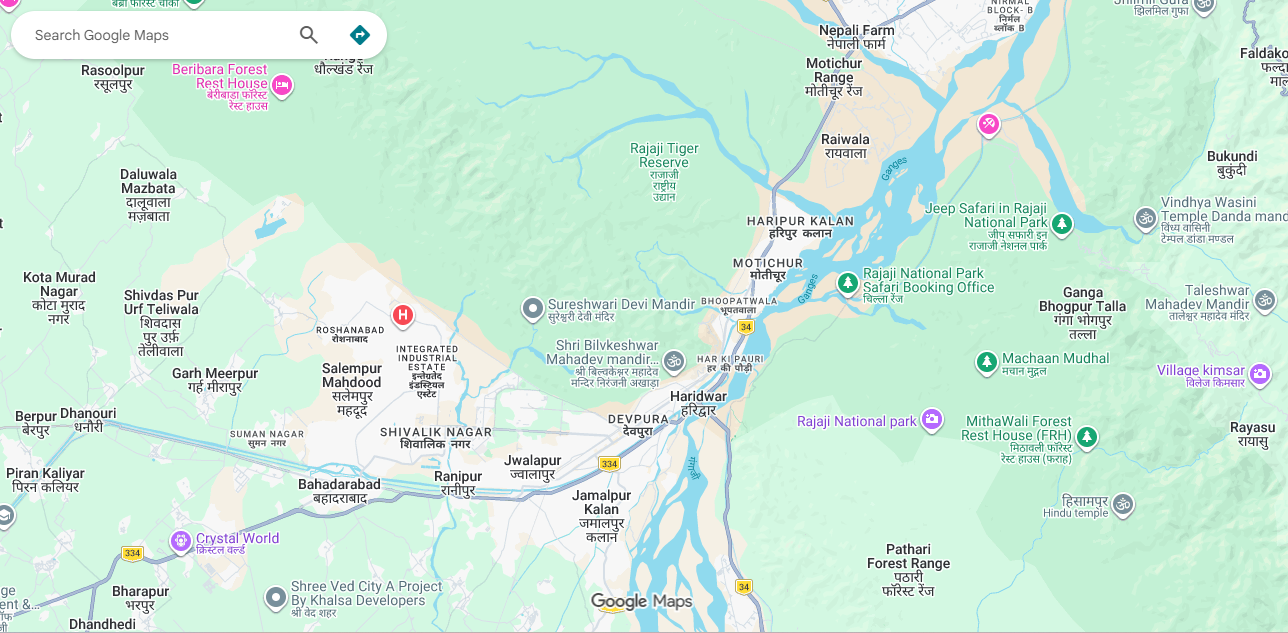
According to mythology, when the “Samudra Manthan” — the churning of the oceans — took place, Haridwar, along with Ujjain, Nasik and Prayag, was one of four sites where drops of Amrit, the elixir of immortality, fell from the sacred Kumbh (pot) as the gods and demons fought for possession.
Hence, the Mela is celebrated at these four places.
The Ardh (half) Kumbh Mela is celebrated every six years at Prayag and Haridwar, while the Purna (Full) Kumbh Mela is celebrated every twelve years. The Maha (Great) Kumbh Mela is traditionally associated with Prayag.
The Spiritual Significance
According to astrologers, the spiritual positioning of the planets also plays a significant role. The Kumbh fair is associated with auspicious planetary positions, during which pilgrims gather to take a holy bath and seek spiritual purification.
About Prayagraj
Prayagraj is one of India’s most important pilgrimage destinations and is particularly revered for the Sangam — the confluence of the Ganga, Yamuna and the mythical Saraswati. During the Kumbh Mela, the city transforms into a vast spiritual gathering place where pilgrims, sadhus, saints and visitors come together for sacred rituals and religious celebrations.